A very ambitious list.
I’ve been slipping — and it’s got to stop. So I’ve decided to set up and stick to some New Year’s Resolutions.
1. Fight the Social Media Addiction
I spend entirely too much time on social media sites like Facebook and Twitter. Actually, if you spend more than 30 minutes a day on social media — and aren’t being paid to do it as part of your job — you probably spend too much time, too.
Think about it. Yes, you enjoy it. It’s a nice, convenient social experience. But it’s also a timesuck. And the time you spend online looking at cat photos and clicking like buttons is time you could be spending doing other more rewarding things like engaging in personal interactions with family and real (not virtual) friends, working on projects that enrich your life (or bank account), and getting some fresh air and/or exercise. These are all things I want to spend my time doing. I don’t want to sit in front of the computer after breakfast, tune into Facebook, and look up two hours later to discover that half my morning is gone and nothing constructive has been done.
So I’m placing a limit on social networking:
 Facebook:
- No checking in between 8 AM and 8 PM. “Checking in” refers to logging on for the purpose of reading new updates on my newsfeed and checking and responding to comments on my or other people’s updates.
- Maximum of 3 updates per day, including updates of photos or links but excluding updates automatically generated when I post to my blog. These can be done at any time.
- No likes. (I actually began doing this a few months ago and I find it very rewarding, mostly because it prompts me to share more meaningful commentary when I like something.)
Twitter:
- No checking in between 8 AM and 8 PM. “Checking in” refers to logging on for the purpose of reading new tweets, checking and responding to notifications on my account, and adding or removing followers.
- Maximum of 12 tweets per day, including photos, links, tweets automatically generated when I post to my blog, and retweets but excluding scheduled tweets. These can be done at any time.
LinkedIn:
Stop using it. Period. This should be pretty easy since I only check in once every month or so and always leave with a bad taste in my mouth.
Google+:
Really? People still use this?
I know this sounds silly or even kind of extreme — almost like a mom setting parental controls for her kid — but I have identified a problem and I have decided to tackle it by setting limitations. Let’s see how I do.
2. Watch Less TV.
I think I watch an awful lot of TV, especially when you consider that I (1) don’t have cable or satellite TV, (2) only get 4 live channels, and (3) rely mostly on Netflix, Hulu+, and other Roku-available content for options. Again, I think this has to do with the long winter nights — I certainly didn’t watch much TV when the sun was setting after 8 PM.
What’s reasonable? I think 5 hours a week is reasonable. That’s less than an hour a day. That might seem a bit low, but when you consider that I’m out with friends a few evenings a week, it should be pretty easy to maintain.
 And there is this added cheat: a movie — no matter what length it is — counts as just an hour. But, at the same time, an “hour-long” TV episode watched without commercials, which is really only about 44 minutes long, would also count as an hour. I’ll need a scorecard to keep track. It should be interesting to see how I do.
What will I do instead? That’s easy: read.
3. Lose 15 Pounds
 Yes, I need to lose weight again. Doesn’t everyone?
Back in 2012, I lost 45 pounds and went from a size 14/16 to a size 6/8. Since then, my weight has crept up a bit, although I’m still able to (barely) fit into all of my new clothes. Time to nip that in the bud and go back to my goal weight. Remember, I burned the bridge to fat town back in 2012.
I’m not very worried about achieving this. I’m going to use the same diet I used in 2012 to lose 45 pounds in 4 months. I expect to get back to my goal weight within 2 months but will likely stay on the diet for an additional month for the added benefits it offers — mostly appetite reduction. That’s what made it possible to keep the weight off as long as I did.
In my defense, since the last 10 pounds came on very quickly — over the past two months — I suspect it has a lot to do with my reduced activity level. Winter means short, cold days here in the Wenatchee area. Unless I’m out doing something that keeps me busy and warm — like skiing or snowshoeing — I’m not likely to be outside. And there isn’t much exercise indoors — although climbing scaffolding can be pretty exhausting after a while. This is my best argument for going south for the winter and I may do it next year. (Yeah, I’m a snowbird for health reasons. That’s the ticket!)
Oh, and if you’re one of those people who think “big is beautiful” and that being thin is something that society forces upon us to make us feel bad about our bodies, wake up and smell the deep fried Oreo you’re about to shove in your pie hole. I never said I wanted to be thin. I’ve said (elsewhere in this blog) that I wanted to remain a healthy weight for the rest of my life. The added benefit is the ability to look good in clothes, have lots of energy, and feel better about myself. Don’t be an idiot. If you’re more than 10% over what’s a healthy weight for your height, you owe it to yourself and your family to shed those extra pounds. Trust me: you will be glad you did.
4. Write More
 One of the things social media time has stolen from me is writing time. Instead of sitting down to write a blog post or an article for a magazine or even a chapter of a book, I spend that time on Facebook or Twitter or even (sometimes) LinkedIn. Or surfing the web. This are mostly unrewarding, unfulfilling activities. I get so much more satisfaction out of completing a blog post or article — especially when there’s a paycheck for the article.
I want to blog more often — at least four times a week. Blogging is something that makes me feel good. I wish I could explain it. I think it’s because I’m documenting the things I’m doing, thinking, and feeling. Creating an archive of these things.
I’ve been blogging for 11 years now and am very proud of that fact. I’m also thrilled that I can go back and read about the things that interested me so long ago. Why wouldn’t I want to do this?
I also want to explore new markets for paid article work. I have opportunities and when I can focus I can write and submit work I can be paid for. Why aren’t I doing more of this?
And I definitely need to complete a few work-in-progress books that I’ve started. And turn some of my blog posts into ebooks I can earn a few dollars on.
And I sure wouldn’t mind reopening some of the fiction work I began 20 or 30 years ago — work that was once so much a part of my life that I’d think about it in bed to help me drift off to sleep. Time to bring all that back into my life.
5. Just Say No to Starbucks
 Why do I go in there? The coffee isn’t even that good!
I live in Washington, for Peet’s sake (pun intended), a place where there are coffee shops on nearly every corner and more drive-through coffee stands than gas stations. Why am I going into Starbucks, a place where saying “medium” instead of “grande” can earn you a snicker from the order taker?
 And don’t say it’s the dark chocolate covered graham crackers. Although it could be.
I guess I just don’t like the idea of supporting a global corporation with mediocre products when I could be supporting small, local coffee shops with slightly less mediocre products.
What I really should do is stop drinking coffee in the middle of the day.
This will be easy to do once I set my mind to it. I just have to not crave coffee when I walk into the Fred Meyer or Safeway supermarkets.
Scorecard
Because I’m so anal, I’ll keep a scorecard to see how I do. I’ll try to report back with success — or failure — at year’s end.
Wish me luck!
And why not share a few of your resolutions for 2015? Use the comments link or form for this post.


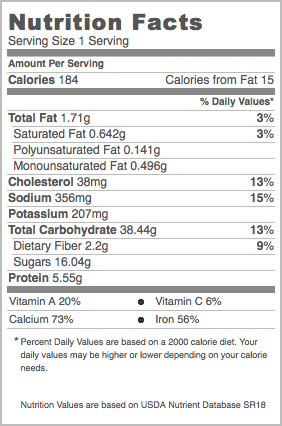





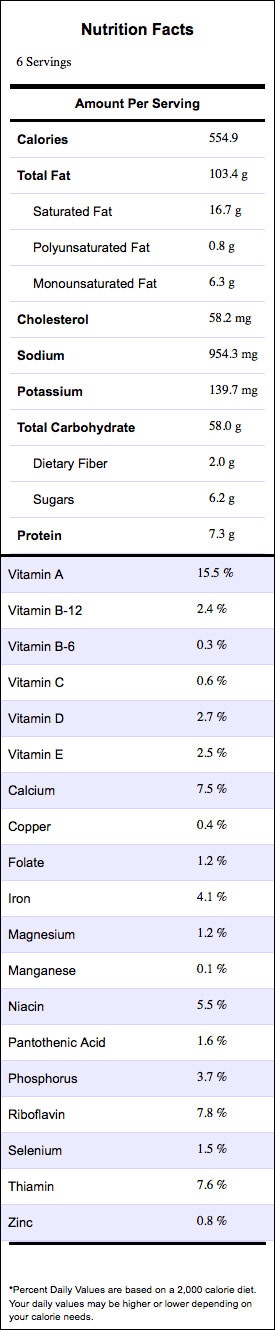
 Here’s the first three months of my chart. I stopped tracking my weight on paper when I moved home to Arizona, but got all the way down to 149 pounds (from 196) by the middle of October.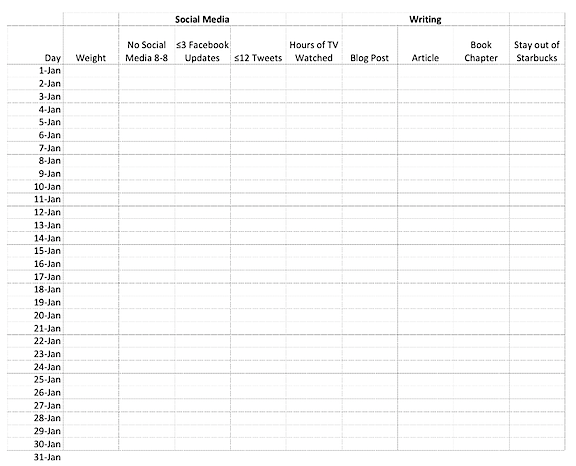

 And there is this added cheat: a movie — no matter what length it is — counts as just an hour. But, at the same time, an “hour-long” TV episode watched without commercials, which is really only about 44 minutes long, would also count as an hour. I’ll need a scorecard to keep track. It should be interesting to see how I do.
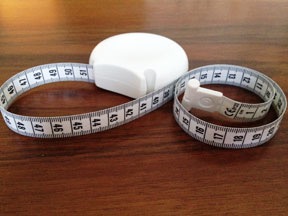 Yes, I need to lose weight again. Doesn’t everyone?
 One of the things social media time has stolen from me is writing time. Instead of sitting down to write a blog post or an article for a magazine or even a chapter of a book, I spend that time on Facebook or Twitter or even (sometimes) LinkedIn. Or surfing the web. This are mostly unrewarding, unfulfilling activities. I get so much more satisfaction out of completing a blog post or article — especially when there’s a paycheck for the article.
 Why do I go in there? The coffee isn’t even that good!
 And don’t say it’s the dark chocolate covered graham crackers. Although it could be.